📚 Books

Ideas, written down.

Three books on topics I teach and build with: designing systems as microservices, retrieving knowledge with graphs, and treating diagrams as code. Each one is a friendly, illustrated, hands-on guide rather than a reference manual.

Tap a cover to view the book on Amazon. Two of them have a free video course to go with them.

3 booksAvailable on Amazon
Microservices for Python DevelopersAdvanced GraphRAG & Knowledge AgentsDiagrams as Code
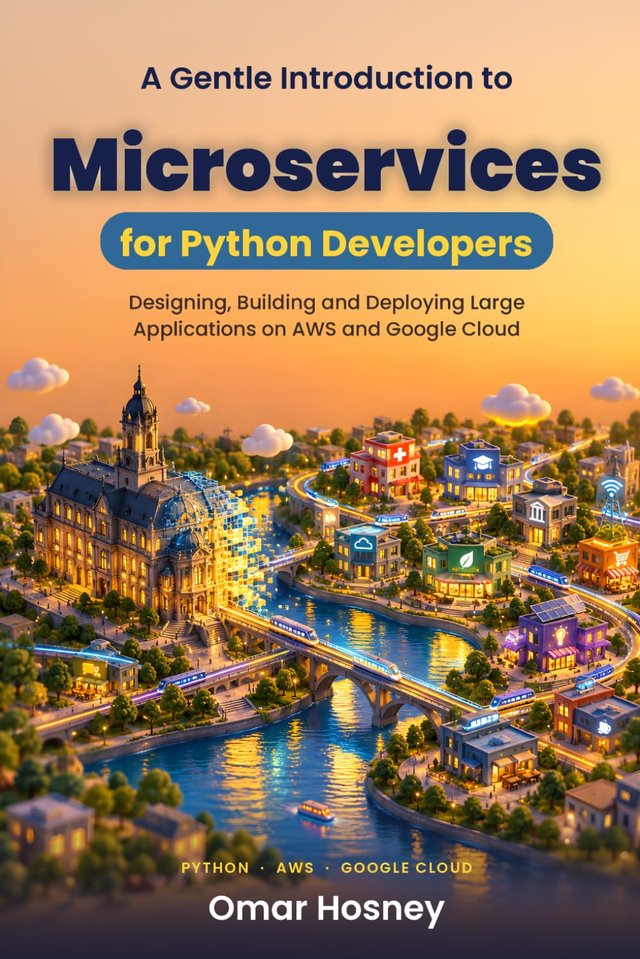
Cover of A Gentle Introduction to Microservices for Python Developers
Paperback379 pagesSeptember 2026

A Gentle Introduction to Microservices for Python Developers

Designing, Building and Deploying Large Applications on AWS and Google Cloud

A friendly, step-by-step introduction for Python developers who have never designed a distributed system. You follow ShopFlow, an online shop that starts as a single Django monolith and is carefully split into FastAPI services deployed to AWS and Google Cloud. Every idea comes as a plain-English concept, an everyday analogy, a small example and a short piece of Python.

  • 72 original illustrations and diagrams
  • Worked examples and Python code in every chapter
  • FastAPI, Docker, AWS and Google Cloud
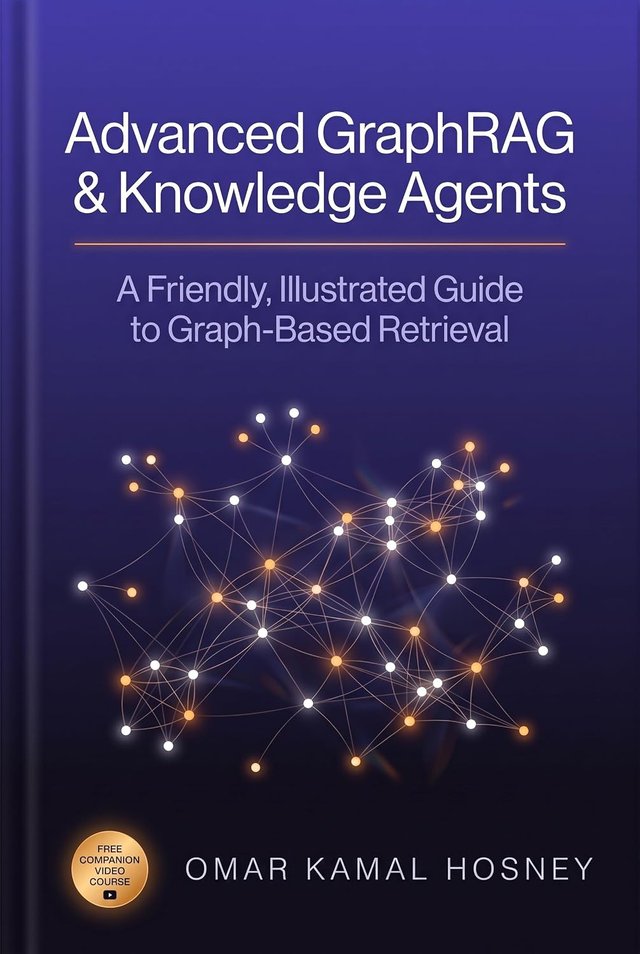
Cover of Advanced GraphRAG & Knowledge Agents
Paperback & KindleJuly 2026

Advanced GraphRAG & Knowledge Agents

A Friendly, Illustrated Guide to Graph-Based Retrieval

What comes after vector search? This guide goes from the limits of flat vector RAG to the graph-based architectures that fix them, and the knowledge agents built on top. It covers six architectures in eight hands-on modules, including Microsoft GraphRAG, LightRAG and HippoRAG, and it is the written companion to the video course of the same name.

  • Why vector RAG fails on multi-hop questions
  • Graph construction, communities and DRIFT search
  • Six architectures across eight modules
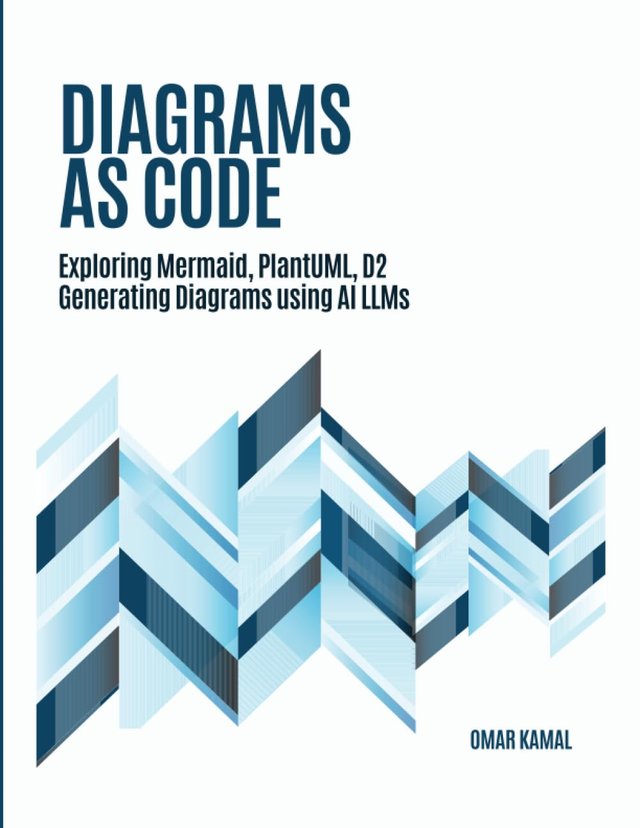
Cover of Diagrams as Code
Paperback195 pagesSeptember 2023

Diagrams as Code

Exploring Mermaid, PlantUML, D2 and Generating Diagrams using AI LLMs

Documentation that behaves like code: version-controlled, reviewable and easy to regenerate. The book shows how to draw diagrams from plain text with Mermaid, PlantUML and D2, how lightweight markup such as AsciiDoc and Marpit turns documents into dynamic assets, and how to have AI language models generate the diagrams for you.

  • Mermaid, PlantUML and D2 side by side
  • Document-as-code with AsciiDoc and Marpit
  • Generating diagrams with AI LLMs