TL;DR
Krea 2 Turbo is a spectacular image artist that is not a typesetter. A 12 B diffusion transformer — ~26 GB in bf16 — does not fit a 24 GB 4090. Quantized to a Q6_K GGUF (~10.6 GB) it not only fits, it leaves headroom to stack LoRAs, and it renders a 1024×1024 image in 11–18 seconds at just 8 steps.
Across sixteen styles the photographic and painterly results are reference-grade — photoreal wildlife, pore-level portraits, oil-brush knights, 90s cel anime, a glass-and-chrome logo. The one hard wall is text: infographics and technical diagrams look beautiful but the words collapse into convincing gibberish. Generate the design here; add the words in an editor.
Everything below ran locally on a single RTX 4090 under Pop!_OS 22.04 — the quantization
reasoning, the exact install path (including the one ComfyUI gotcha that cost me an afternoon), a
full quality gallery with honest per-image verdicts, and a companion video.
A 12B model that shouldn’t fit — and does
Krea 2 is a 12-billion-parameter diffusion transformer. In native bf16 the
transformer alone is about 26 GB, and once you add the Qwen3-VL text encoder
(~9 GB) and the VAE, a naive load needs well over 35 GB. A 24 GB RTX 4090
simply cannot hold that — the copy-paste diffusers snippet OOMs before it finishes loading.
The fix is quantization. Instead of storing every weight in 16 bits, a GGUF quant packs the
diffusion transformer into a mixed 6-bit format. The community Q6_K build lands at
~10.6 GB — visually indistinguishable from the full-precision model, but small
enough that the DiT, a fp8 text encoder (~5 GB) and the VAE all coexist on the card with room to spare.
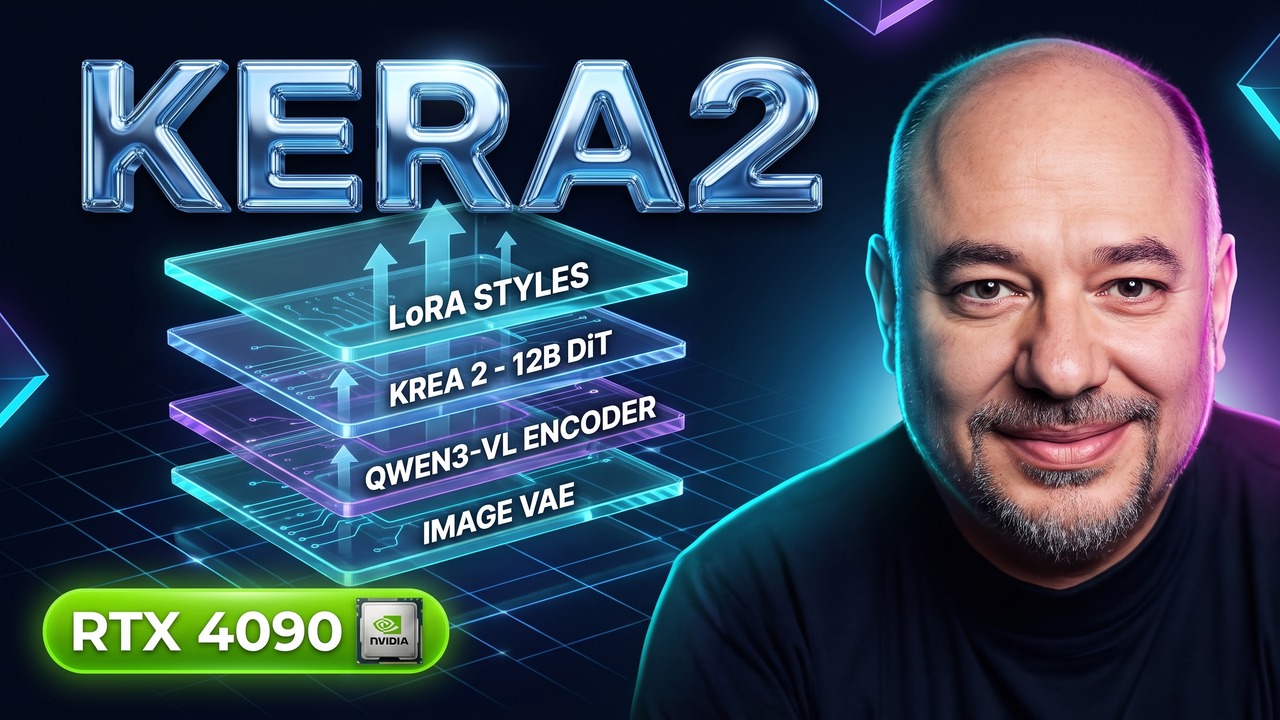
Here is the whole stack, and what each layer costs on the GPU:
LoRA styles ............. patched onto the DiT (a few hundred MB each)
Krea 2 · 12B DiT (Q6_K) .. ~10.6 GB ← the quantized transformer
Qwen3-VL text encoder ... ~5.0 GB (fp8)
Image VAE ............... ~0.25 GB
# ~16 GB resident + activations → fits, with LoRA headroom
“Turbo” is the other half of the trick. Krea distilled the sampler so the model produces a finished
image in 8 steps at CFG 1.0 — not the 30+ steps a base diffusion model
needs. On the 4090 that is the difference between a five-second wait and a one-minute one.
Installing it on Pop!_OS + one RTX 4090
My box is Pop!_OS 22.04 (Ubuntu-based), CUDA 13, one RTX 4090. The runtime is
ComfyUI with the ComfyUI-GGUF loader. There is exactly one non-obvious catch, so
let me put it up front:
Qwen3-VL with a bespoke krea2 CLIP type. Any ComfyUI older than that release
does not have that type — you will get a cryptic CLIPLoader error. The fix is not to
fight it: run Krea 2 from a fresh, isolated ComfyUI on latest master, and leave
your main install untouched.
The five steps. First, pull the quantized weights straight into the models folder (this is the only large download — ~10.6 GB):
# 1. the Q6_K GGUF weights (DiT)
hf download vantagewithai/Krea-2-Turbo-GGUF \
    krea2_turbo-Q6_K.gguf --local-dir /d/ComfyUI/models/unet

# ...and the ComfyUI companions: fp8 Qwen3-VL encoder + VAE + official LoRAs
hf download Comfy-Org/Krea-2 \
    text_encoders/qwen3vl_4b_fp8_scaled.safetensors --local-dir /d/ComfyUI/models/text_encoders
hf download Comfy-Org/Krea-2 vae/qwen_image_vae.safetensors --local-dir /d/ComfyUI/models/vae
Second, clone a fresh ComfyUI (latest master, which knows the krea2 encoder) and its nodes:
# 2. isolated ComfyUI + the GGUF loader + the Power LoRA loader
git clone https://github.com/comfyanonymous/ComfyUI ComfyUI-krea2
cd ComfyUI-krea2/custom_nodes
git clone https://github.com/city96/ComfyUI-GGUF
git clone https://github.com/rgthree/rgthree-comfy
cd ..
Third, symlink the shared models cache so nothing is duplicated on disk:
# 3. reuse the models you already downloaded — zero duplication
ln -s /d/ComfyUI/models  /d/ComfyUI-krea2/models
Fourth, build an isolated Python environment with the PyTorch the card actually wants. On this machine that is
torch 2.9.1 for CUDA 13. (A subtle trap: uv’s --torch-backend
shortcut capped at cu129, so install torch from the cu130 index URL directly — and pin
torchaudio to the same version or ComfyUI fails to import with an ABI error.)
# 4. venv + matching CUDA torch (Pop!_OS, driver 580, CUDA 13)
uv venv --python 3.12 .venv && source .venv/bin/activate
uv pip install torch==2.9.1 torchvision torchaudio \
    --index-url https://download.pytorch.org/whl/cu130
uv pip install -r requirements.txt gguf
Fifth, launch it — the quantized model streams onto the GPU and you are ready to generate:
# 5. launch on its own port; main ComfyUI stays untouched
python main.py --port 8288
# -> Krea 2 Turbo (Q6_K) loads on the RTX 4090, ready on :82888 steps, CFG 1.0,
sampler er_sde, scheduler simple. Everything below was generated at exactly those
settings, 1024×1024 (or the noted aspect), on the Q6_K unet with the fp8 Qwen3-VL encoder.

Flagship: photorealism & portraits
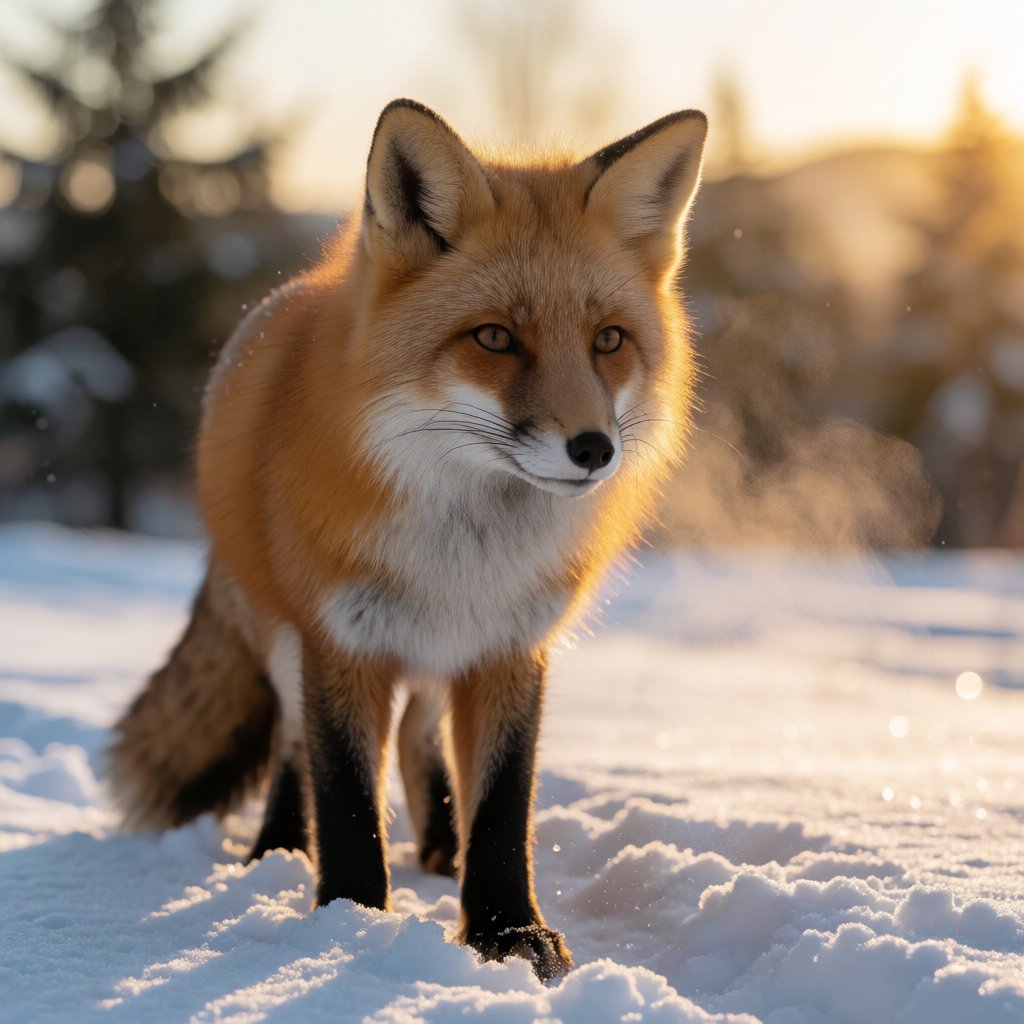
Start where the model is strongest. With no LoRA at all, base Krea 2 produces photography that genuinely passes for a camera. Note the visible breath in the cold air, the golden rim-light on individual strands of fur, and the natural fall-off behind the subject.
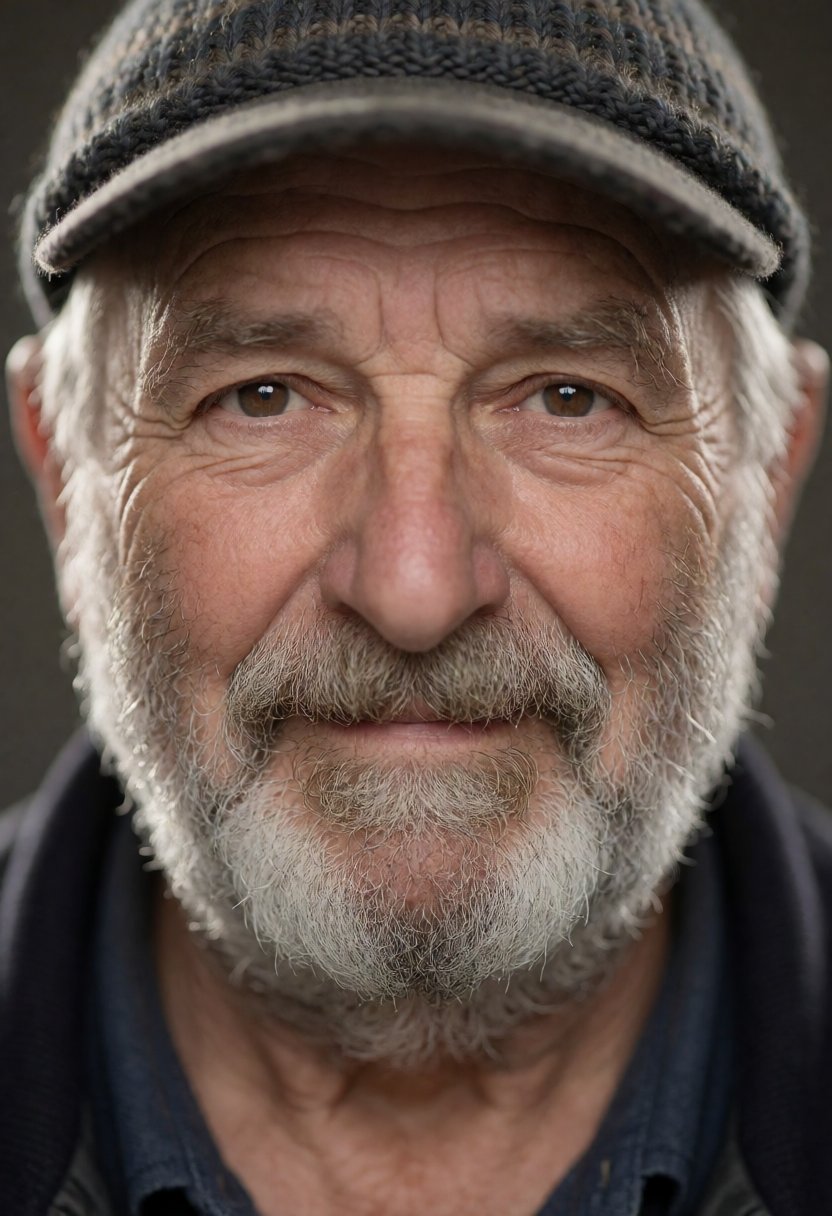
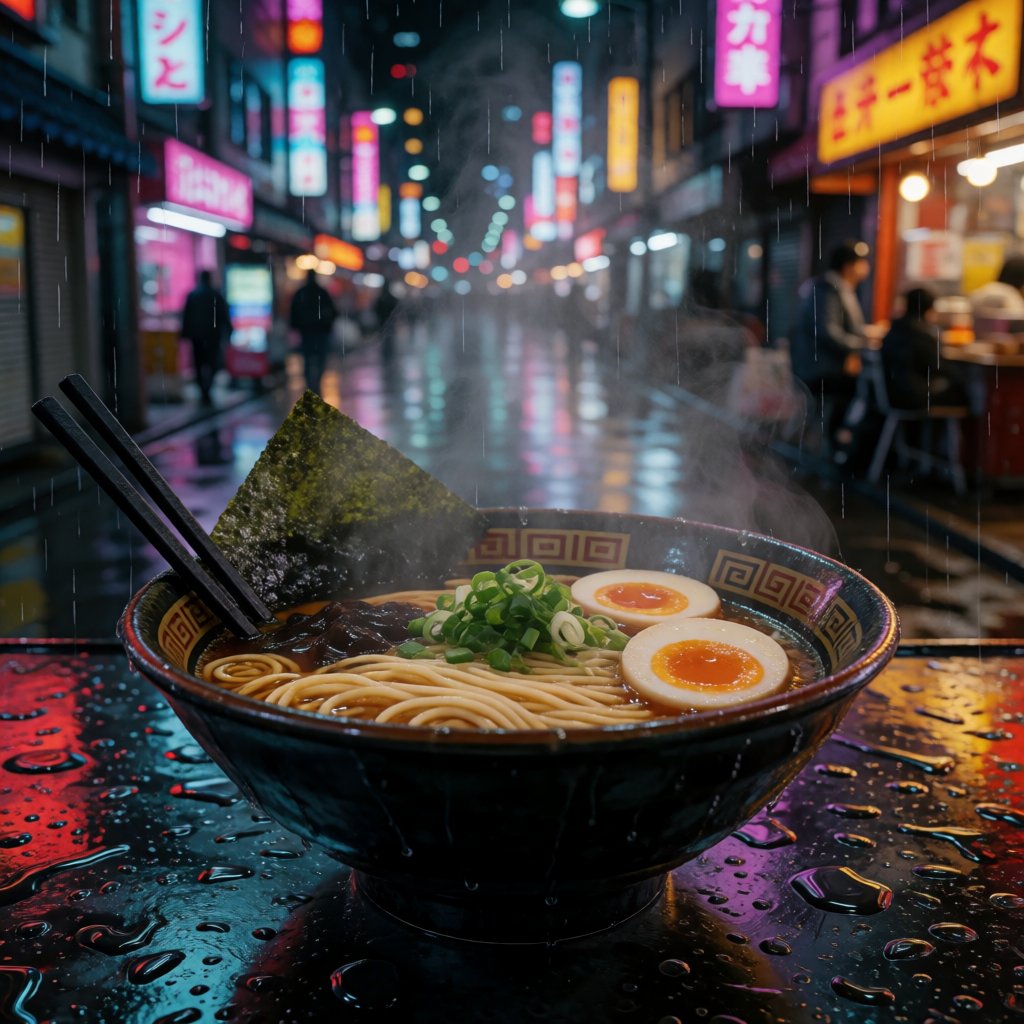
Faces are the real test, and the realism-v2 LoRA at a gentle 0.7 strength delivers pore-level skin, correct catchlights, and a believable 85 mm depth of field. Push the same LoRA to 0.9 for the ramen scene and the atmosphere is superb — but look closely at the neon signs and you get the first hint of the text problem we’ll return to.
Stylized, with zero LoRA
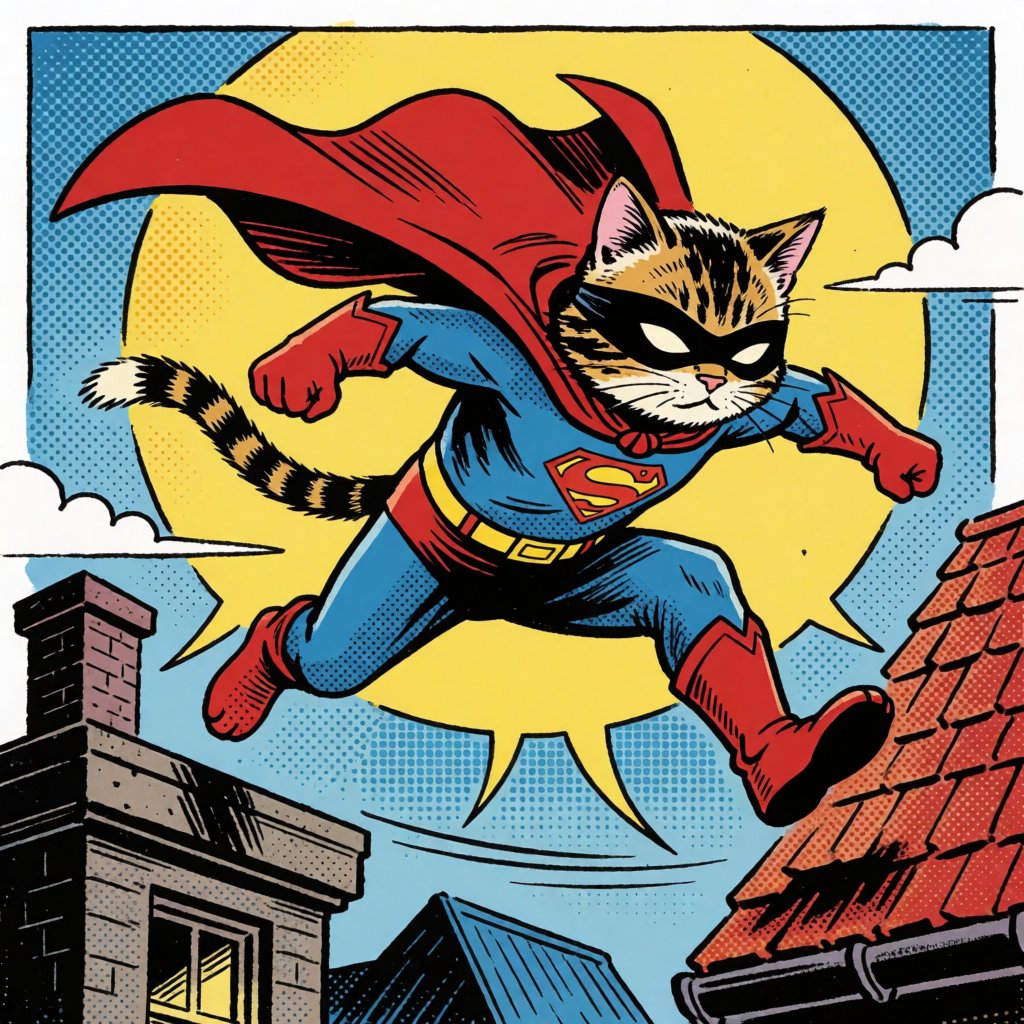
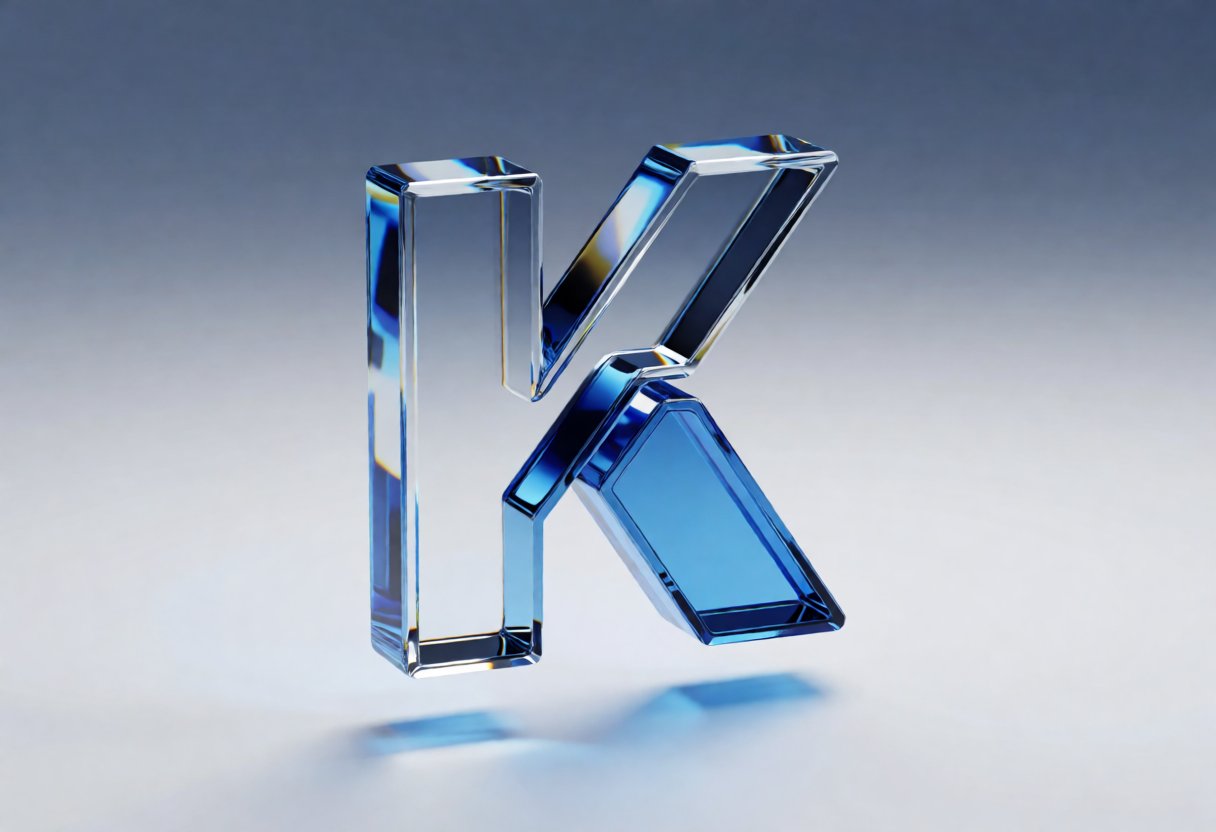
Big models love to over-render; a good one knows when to stop. Purely from prompt engineering — no LoRA — Krea 2 switches cleanly between a flat-vector mascot, an inked comic panel with real halftone shading, a minimalist stick figure, and a glass-and-chrome product logo. That last one is a genuine hero asset you would normally commission from a 3D artist.


Style LoRAs: instant aesthetics
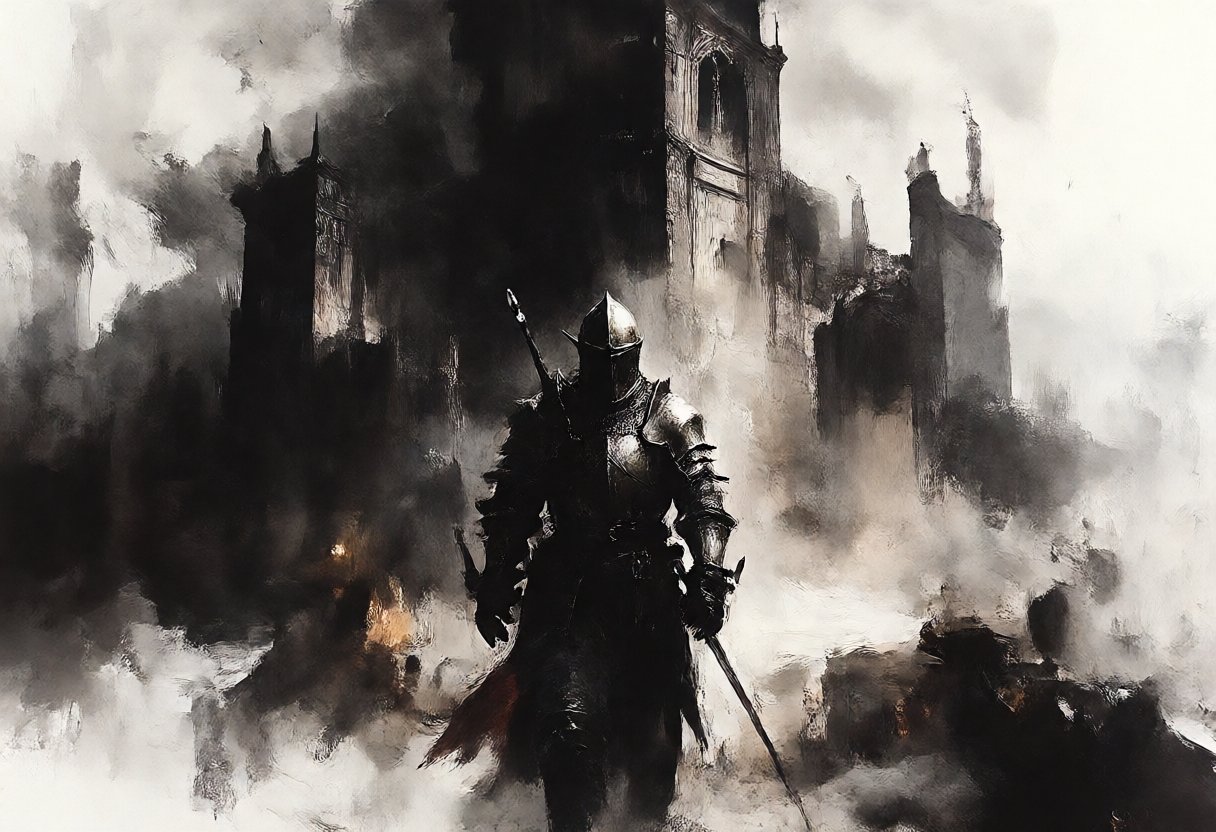
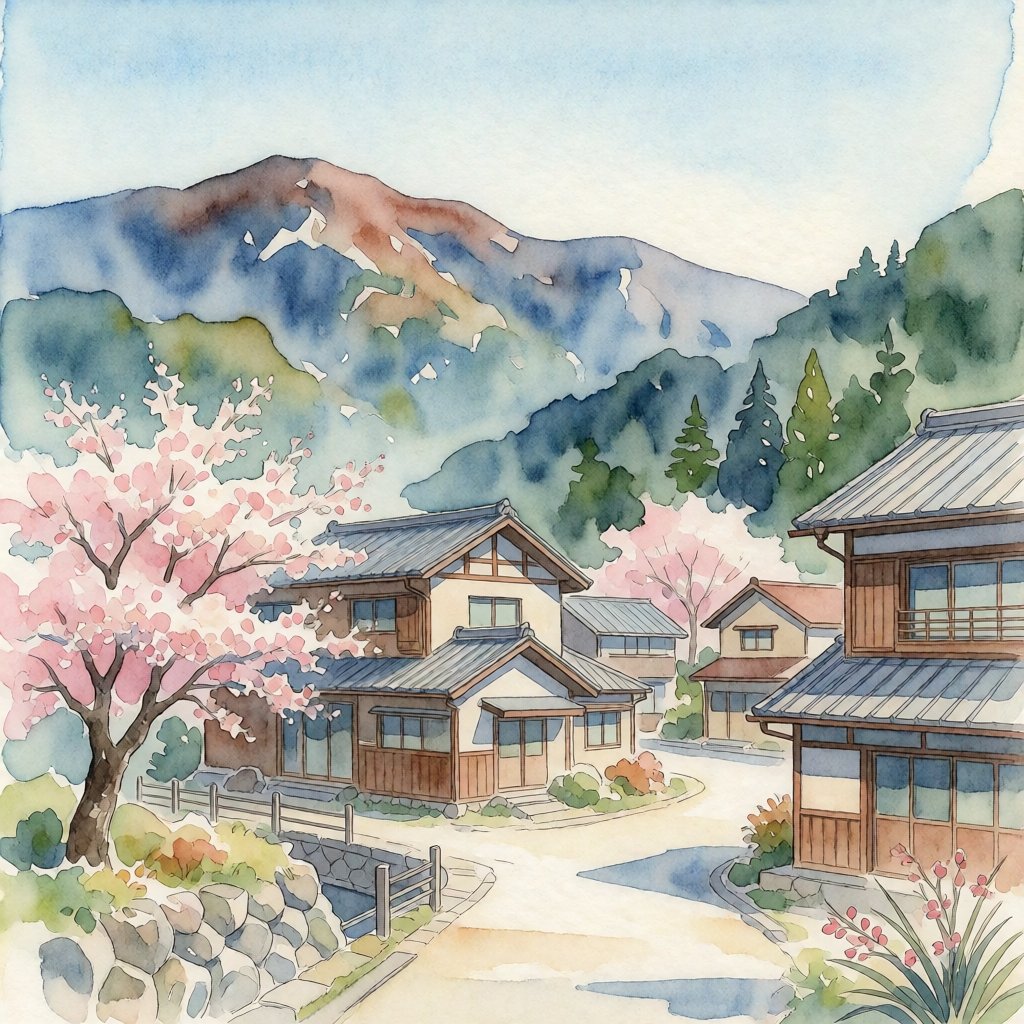
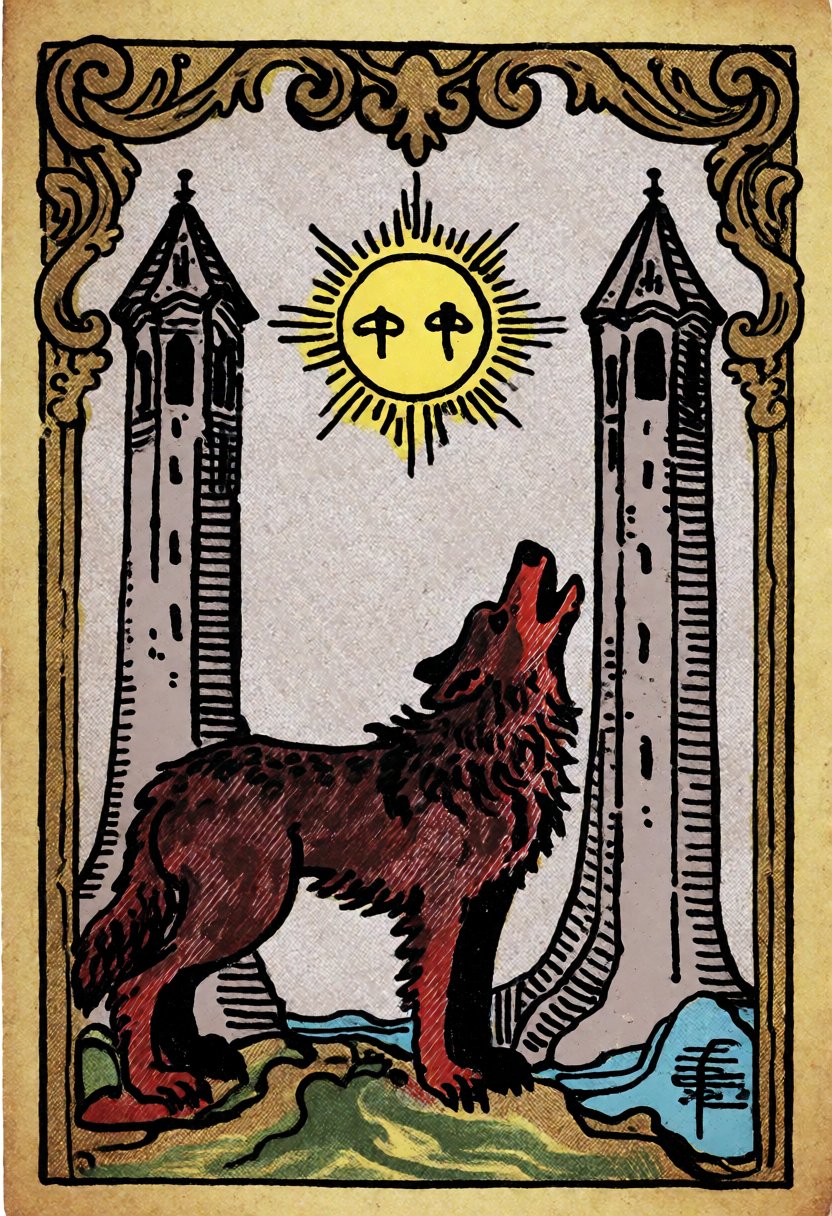
This is where the model becomes an instrument. A ~200–500 MB LoRA, loaded on top of the quantized unet, redirects the entire aesthetic from one keyword. Dark expressive oil brushwork, 1990s cel anime, soft watercolour washes, a Rider-Waite tarot woodcut, a child’s crayon drawing, and a dead-on Cyanide & Happiness webcomic — each one is a different LoRA, same base model, same 8 steps.



Where it breaks: text, infographics, diagrams
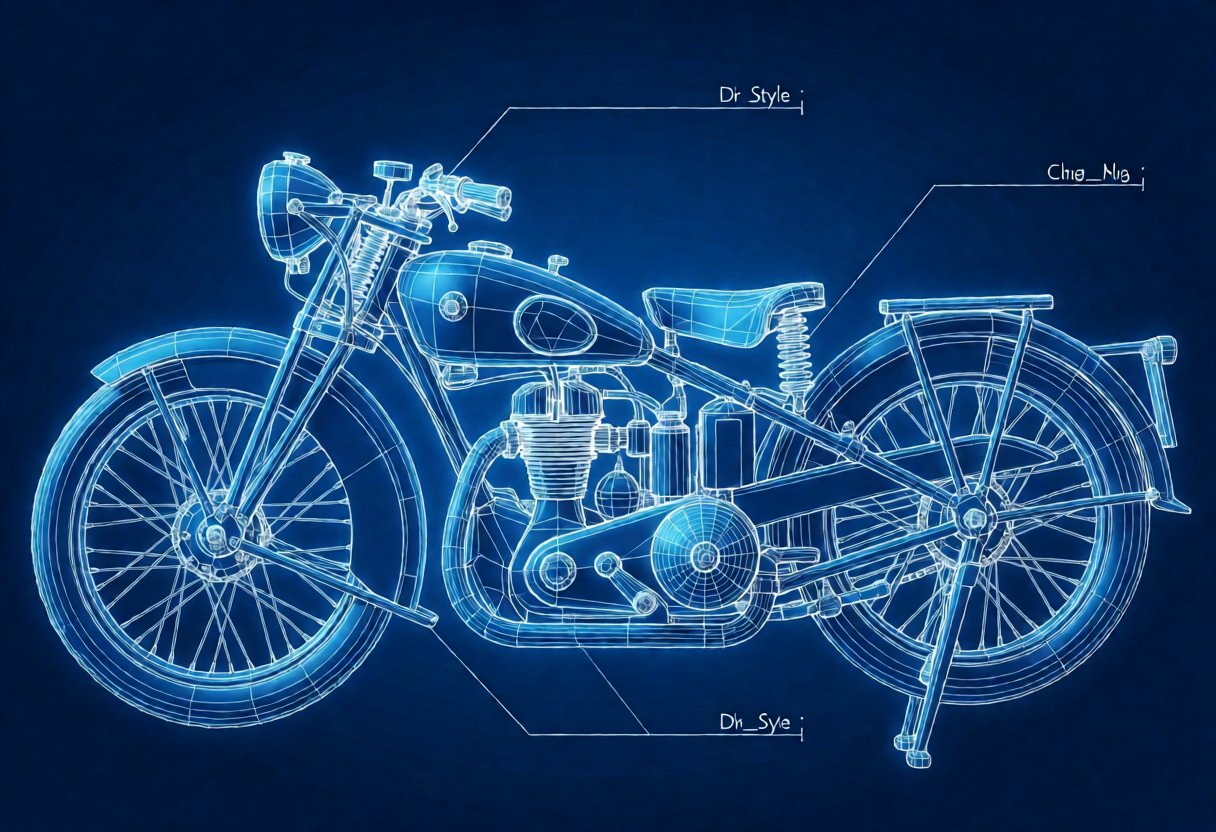
Now the honest part. Ask Krea 2 for anything whose value is the words and the seams show. The layouts are gorgeous — and the model even spells the title correctly — but the body text is invented.
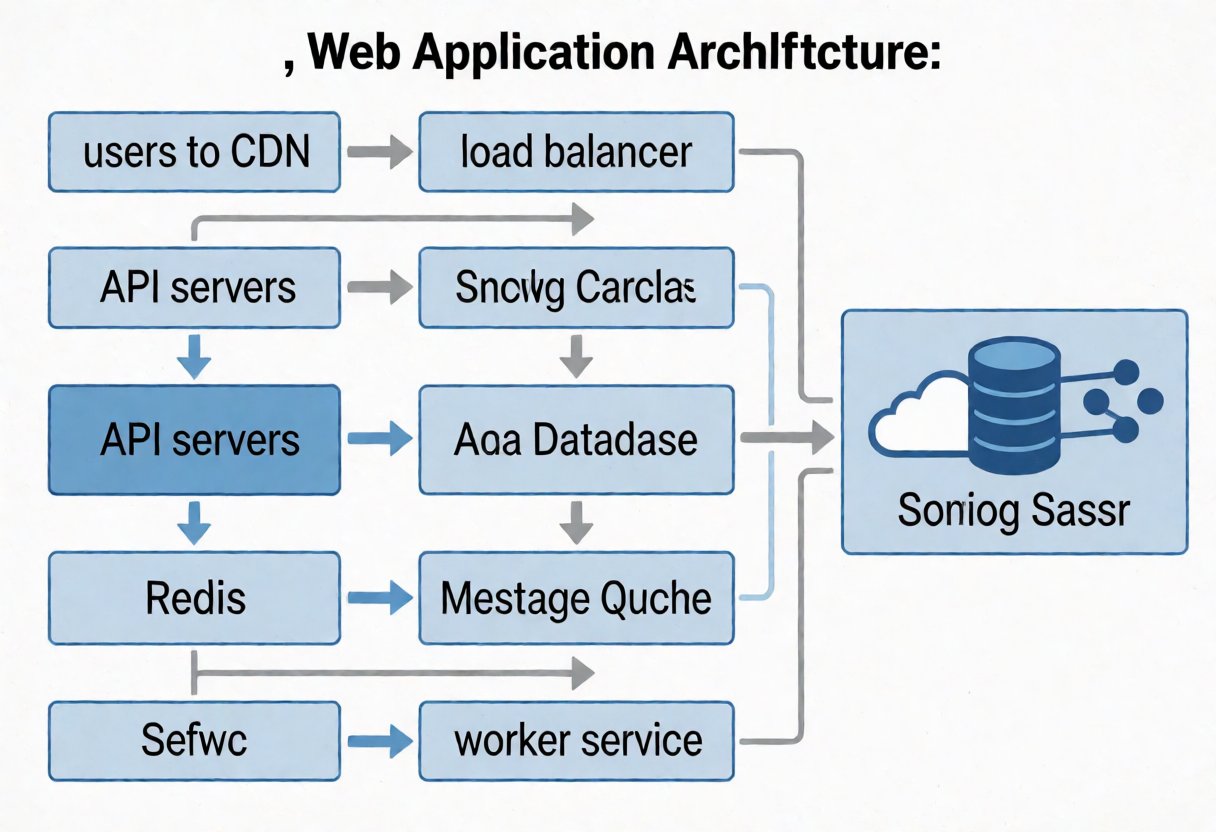
A software architecture diagram pushes it further. The structure is genuinely impressive — labelled boxes, directional arrows, grouped layers, even a database icon — and some labels (users to CDN, load balancer, Redis) come out perfectly. But others degrade into near-words like Aqa Datadase.
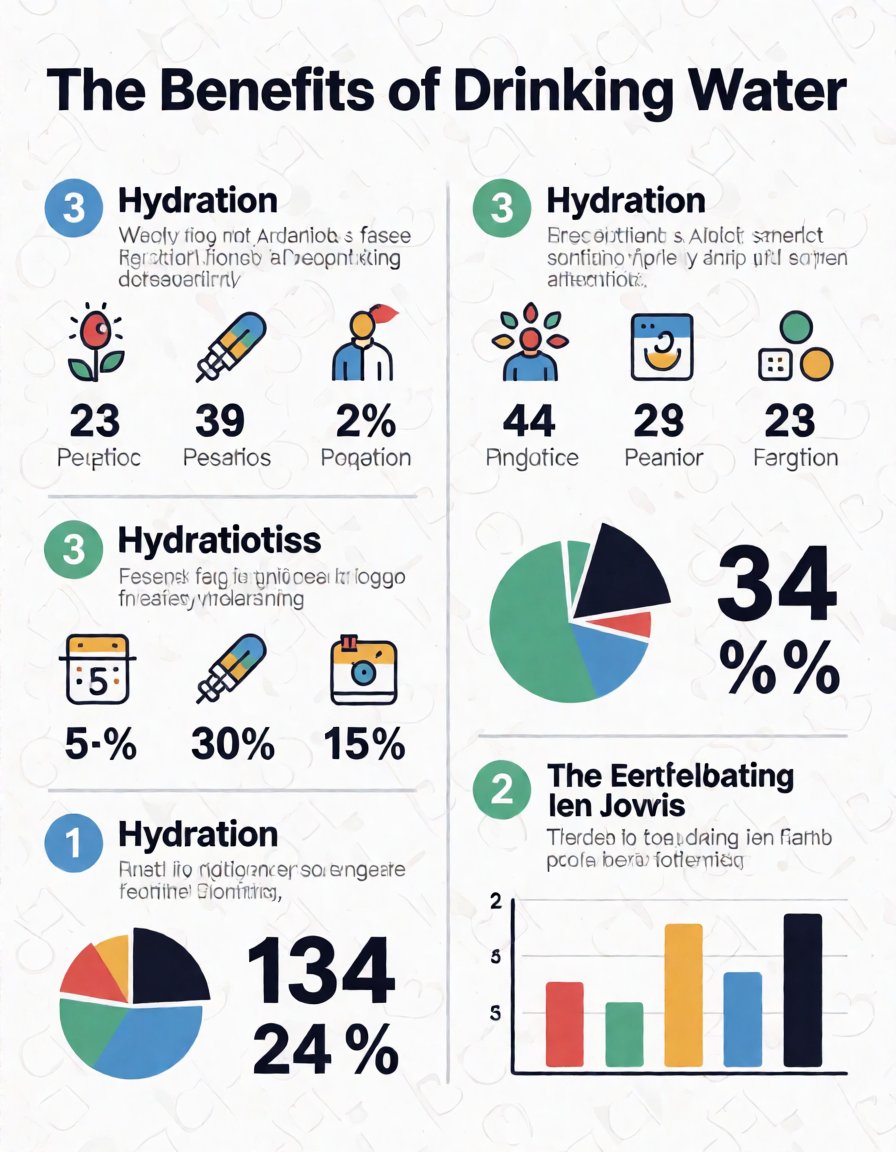
And the clearest limit of all — the infographic. As a visual layout it is fantastic: a clean title, icons, pie and bar charts, bold percentage numbers, all beautifully arranged. Start reading the body copy and it collapses into gibberish, and every section heading just repeats the word “Hydration.”
Verdict
A 12-billion-parameter image model, quantized to 10.6 GB, running fully local on one consumer GPU at eight steps, with community LoRAs snapping the style around at will — and no cloud, no API, no per-image bill. For photography, illustration, painting and stylised art it is astonishing. For anything with real text, treat it as a layout artist and finish the words yourself. Knowing which half of the model to lean on is the whole skill.
References & links
- Krea 2 Turbo (base model) — huggingface.co/krea/Krea-2-Turbo
- Q6_K GGUF quant — vantagewithai/Krea-2-Turbo-GGUF
- ComfyUI bundle (fp8 Qwen3-VL encoder + VAE + official style LoRAs) — Comfy-Org/Krea-2
- LoRAs used — RudySen/Krea2-realism-V2 · DeverStyle/Krea-2-Premium-Loras · krea/Krea-2-LoRA-darkbrush
- Runtime — ComfyUI · ComfyUI-GGUF (city96) · rgthree-comfy
- Companion video — youtu.be/ei97_pgrfYo
- Run on a single NVIDIA RTX 4090 (24 GB) under Pop!_OS 22.04 · Q6_K GGUF · Qwen3-VL fp8 encoder · er_sde, 8 steps, CFG 1.0 · thumbnail by Nano Banana Pro.